
Rosacea & Skin Needling
Written By Monica Joyce - Corneotherapist
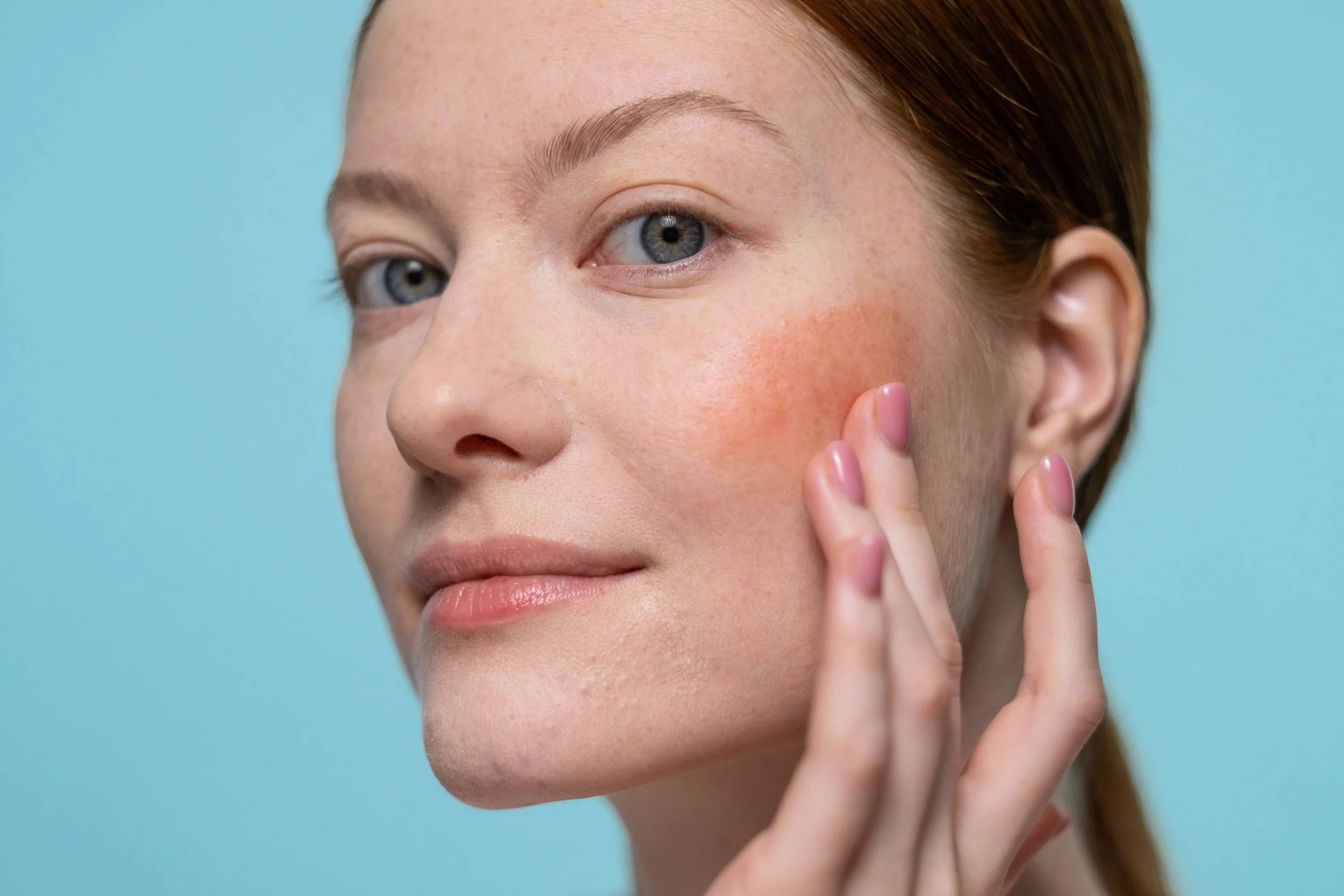
Rosacea is an inflammatory skin condition characterised by impaired skin barrier function and thinning of the epidermis, dilated superficial capillaries that contribute to persistent redness (erythema), and chronic low-grade inflammation within the skin. It also involves dysregulation of the innate immune system, including increased inflammatory signalling pathways. In papulopustular rosacea (Subtype 2), it can present with papules and pustules driven by inflammatory immune activity.
Skin needling is a controlled skin injury technique that activates the skin’s natural wound-healing response, leading to epidermal and dermal remodelling and increased collagen production. Aust et al. 2008 Percutaneous Collagen Induction Therapy In rosacea skin, its primary value is in improving skin strength, structure, and barrier function rather than directly targeting vascular or nerve-related symptoms such as flushing, stinging, or heat sensitivity.
Alster TS 2018 Microneedling Review Histological evidence shows it increases epidermal thickness and dermal collagen, including around superficial vascular structures, which may provide improved structural support and reduce the visible appearance of redness at the surface. El-Domyati et al. 2015 Microneedling Histological Changes While it does not directly modify neurovascular responses in rosacea, these structural improvements may contribute to a reduction in the visible expression of erythema and flushing over time.
Impaired skin barrier function and epidermal thinning
In rosacea, the skin barrier is weaker, meaning it does not protect as effectively against external triggers such as heat, UV exposure, and environmental stressors. This can result in increased sensitivity, irritation, and a tendency for persistent erythema. The epidermis may also be thinner or more fragile, which makes underlying vascular redness more visible.
How microneedling helps:
Microneedling creates controlled micro-injuries in the epidermis and superficial dermis. This activates the skin’s wound-healing response, which stimulates skin cell turnover and repair of the surface layers.
Over time, this leads to a thicker epidermis and improved barrier function. The skin becomes better at retaining moisture and less reactive to external triggers, contributing to increased overall resilience.
El-Domyati et al. 2015 Microneedling Histological Changes
Dilated superficial capillaries contributing to persistent erythema
Rosacea is associated with dilated superficial blood vessels that remain visible at the surface of the skin, contributing to persistent facial redness. These vessels are often highly reactive and can become more pronounced with triggers such as heat, alcohol, and emotional stress.
How microneedling helps:
Microneedling does not directly treat or remove blood vessels. Instead, it stimulates collagen production in the dermis, which strengthens the structural framework around superficial skin components, including capillaries.
This may reduce the visual prominence of redness by improving skin thickness, supporting blood vessels, and increasing light diffusion through the skin, but it does not change vascular behaviour itself.
Aust et al. 2008 Percutaneous Collagen Induction Therapy
Chronic low-grade inflammation of the skin
Rosacea involves ongoing low-grade inflammation within the skin, which contributes to persistent redness, sensitivity, and symptoms such as burning or stinging, even in the absence of visible flare-ups.
How microneedling helps:
Microneedling induces a short, controlled inflammatory response that is followed by a structured healing phase. During this phase, growth factors are released and tissue repair processes are activated.
Over time, this can improve the skin’s ability to repair itself and support healthier skin cell turnover, leading to more stable skin behaviour.
Singh & Yadav 2016 Microneedling Review
Dysregulation of the innate immune system
Rosacea is linked to overactivity of the innate immune system, meaning the skin reacts excessively to normal environmental and internal triggers. This contributes to inflammation, redness, and heightened sensitivity.
How microneedling helps:
Microneedling does not directly modify immune signalling pathways. Its effect is indirect, primarily through improvement of the skin barrier.
By strengthening the barrier, fewer external irritants penetrate the skin, which may reduce activation of inflammatory pathways over time and decrease overall skin reactivity.
Alster TS 2018 Microneedling Review
Papules and pustules in papulopustular rosacea (Subtype 2)
Papulopustular rosacea is characterised by inflammatory papules and pustules caused by immune-driven inflammation rather than infection or blocked pores. These lesions occur alongside background erythema and vascular reactivity.
How microneedling helps:
Microneedling is not recommended during active inflammatory flares due to the already heightened inflammatory state of the skin.
In stable cases, it may improve skin barrier strength and resilience, which could reduce external trigger sensitivity over time. However, it does not directly treat inflammatory lesions or the immune processes driving them.
Alster TS 2018 Microneedling Review
Conclusion
Microneedling in rosacea can be viewed as a valuable supportive treatment alongside skincare and naturopathy, focused on strengthening the skin from within. By improving epidermal thickness, barrier integrity, and dermal support, it helps the skin become more resilient, less reactive, and better able to tolerate common triggers.
While it does not directly target the vascular or nerve-driven mechanisms of rosacea, these structural improvements can soften the visible appearance of redness over time and support overall skin quality.
References
Aust MC, Reimers K, Repenning C, et al. Percutaneous Collagen Induction Therapy: An Alternative Treatment for Scars, Wrinkles, and Skin Laxity. Plast Reconstr Surg. 2008.
El-Domyati M, Barakat M, Awad S, et al. Multiple Microneedling Sessions for Minimally Invasive Facial Rejuvenation: An Objective Assessment. Int J Dermatol. 2015.
Singh A, Yadav S. Microneedling: Advances and Expanding Horizons. Indian Dermatol Online J. 2016.
Alster TS, Graham PM. Microneedling: A Review and Practical Guide. Dermatol Surg. 2018.
Aust MC, Knobloch K, Reimers K, et al. Percutaneous Collagen Induction Therapy: Mechanism of Action. J Plast Reconstr Aesthet Surg. 2010.